For a long time, Laos was the forgotten country of Southeast Asia. But since a modern railway line has linked Kunming with Vientiane, the whole route from Bangkok to southern China can be travelled by rail. We board the night train in Bangkok, cross the Mekong, let ourselves be carried through karst landscapes, temple towns and rice paddies – and take a look at where the queer community finds its place in one of the last communist states in the world.
Queer in Laos – between invisibility and awakening
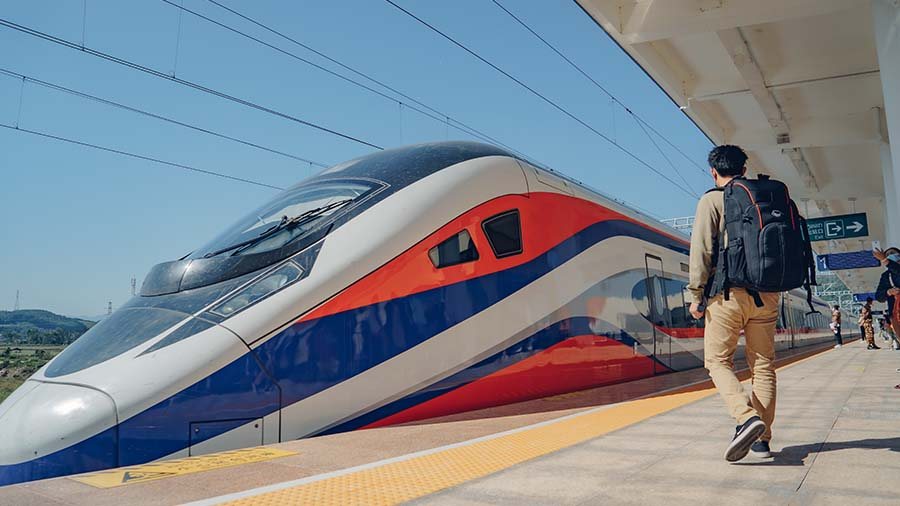
In the morning, the train from Thailand crosses the Friendship Bridge over the Mekong into Laos. Biometric check, stamp, done. As a Swiss citizen, it’s especially quick. A shuttle bus takes you to Vientiane Don Noun high-speed station – the starting point of the Laos–China Railway.
Vientiane, Asia’s most relaxed capital
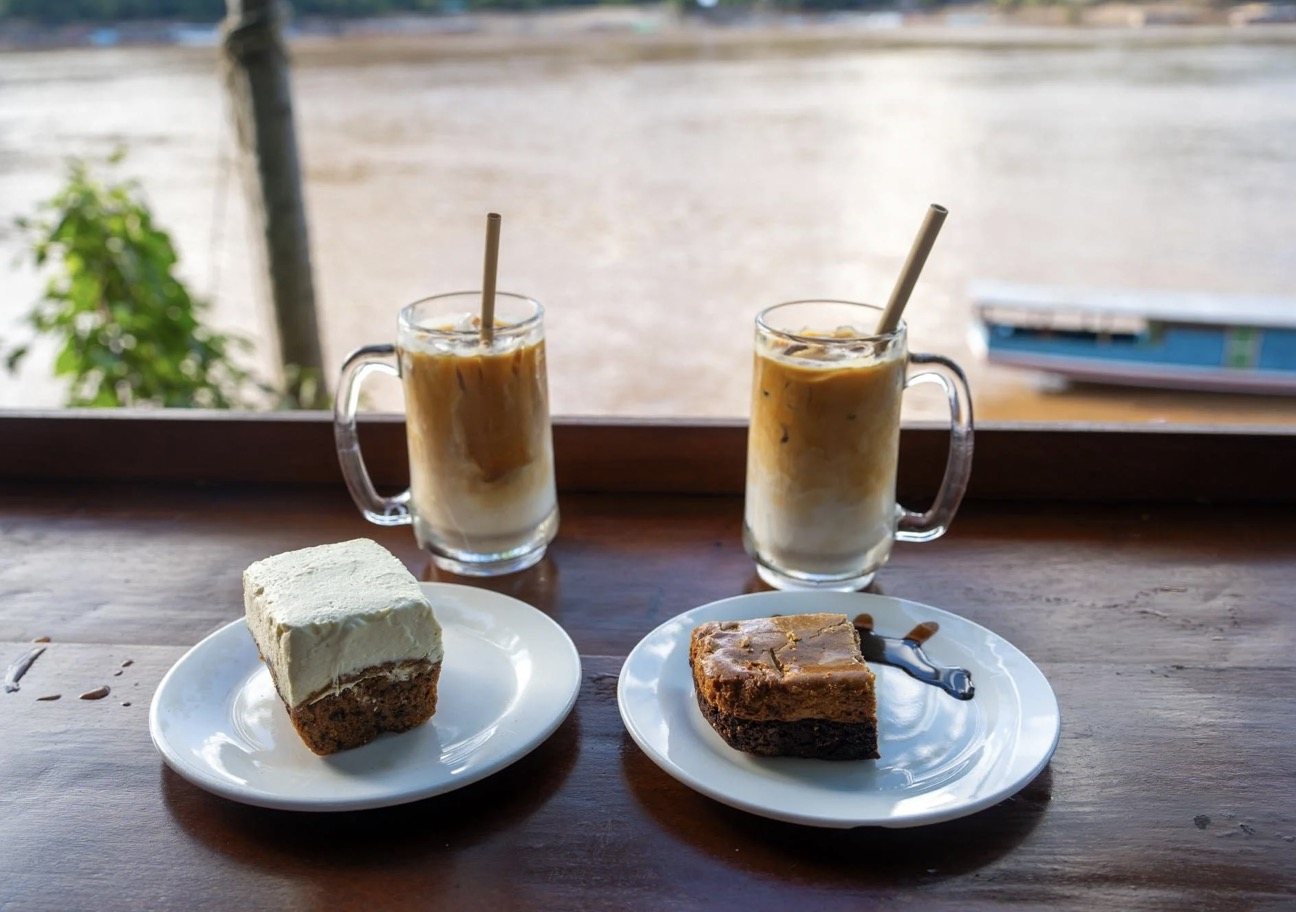
Instead of megacity chaos, a manageable city on the Mekong. French colonial architecture meets Buddhist temples, baguettes meet sticky rice. The centrepiece: the golden stupa Pha That Luang, the national symbol of Laos. In the evening, the Mekong promenade: sunset, laap from a street kitchen, ice-cold Beer Lao.
If you’re looking for company in the evening: Lao Café (CCC Bar) is the only bar in the city that comes close to being gay-friendly – no rainbow sign, but an open atmosphere, locals and expats. Grindr and Hornet work; the community is small, but it’s there.
Vang Vieng – a natural paradise set in karst
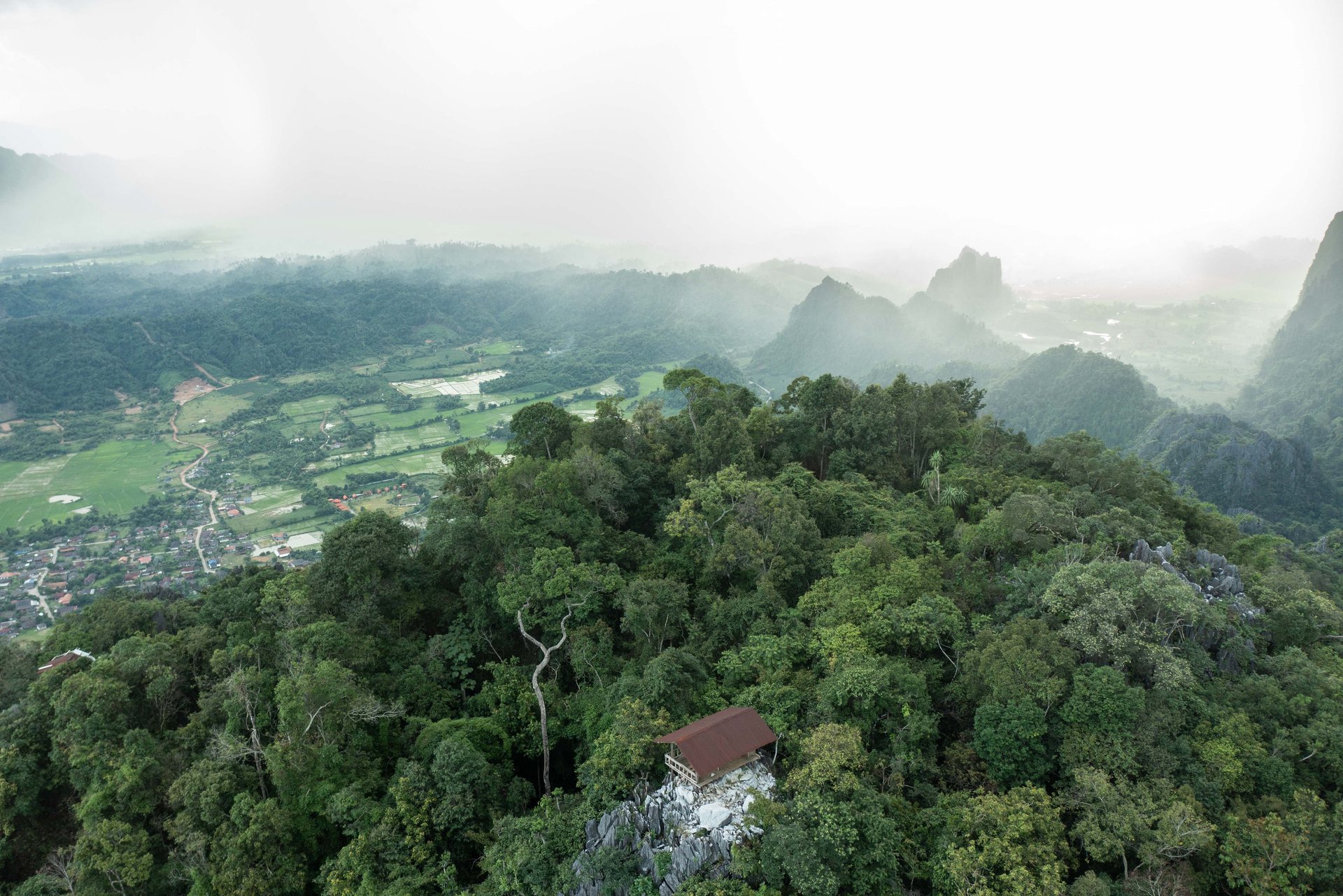
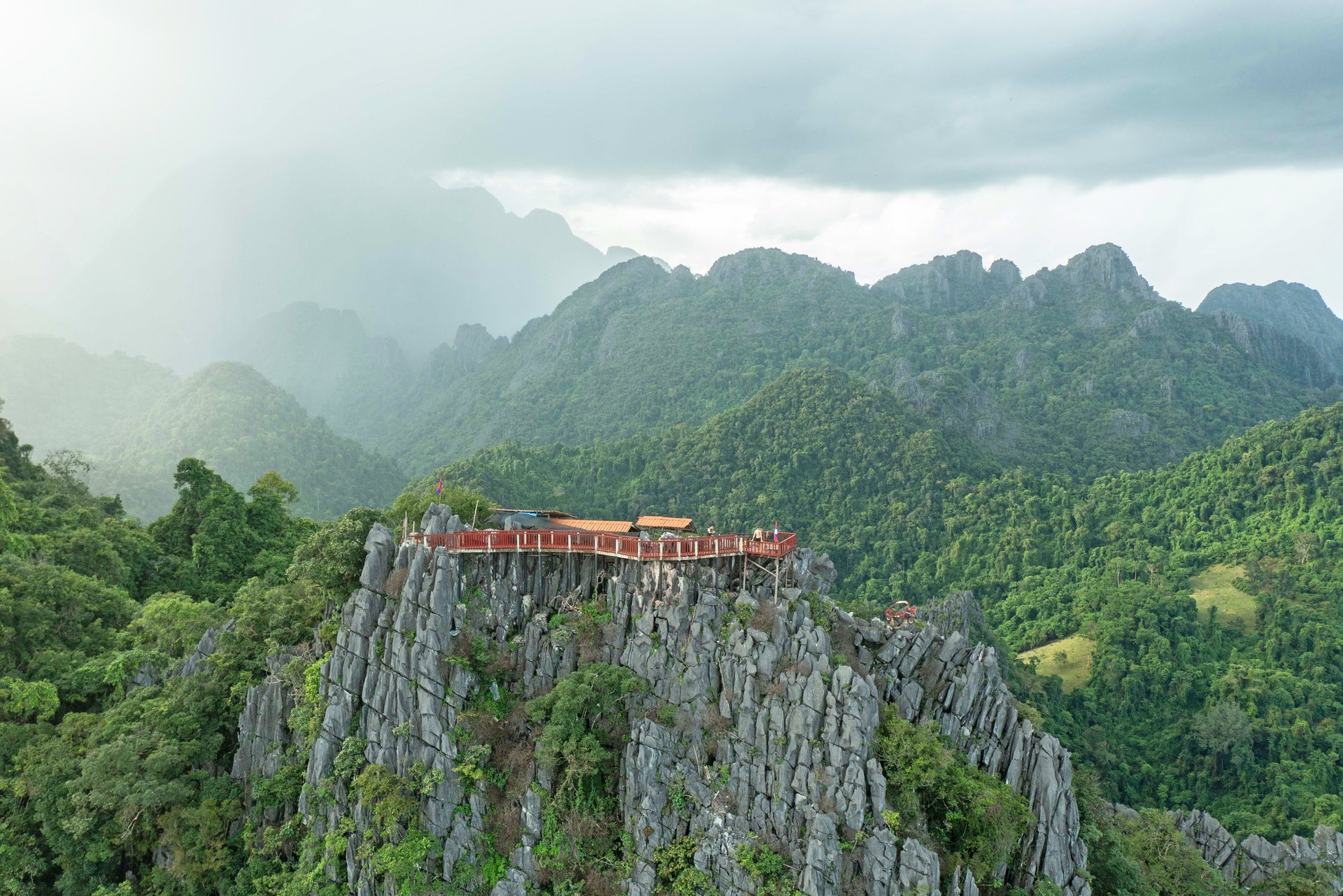
Vang Vieng is just another 50 minutes away by train. Once notorious as a backpacker party hotspot, it is now a nature destination with class. The Nam Xay Viewpoint rewards the steep climb with a panorama that takes your breath away. The locals’ answer to Alpamare: the Blue Lagoon; and the must for tourists is a hot-air balloon ride at sunrise. There’s no queer scene here, but the backpacker vibe means nobody looks twice – and the rooftop bars make for spectacular sunset dates above the karst mountains.
Luang Prabang – the crown jewel on the Mekong
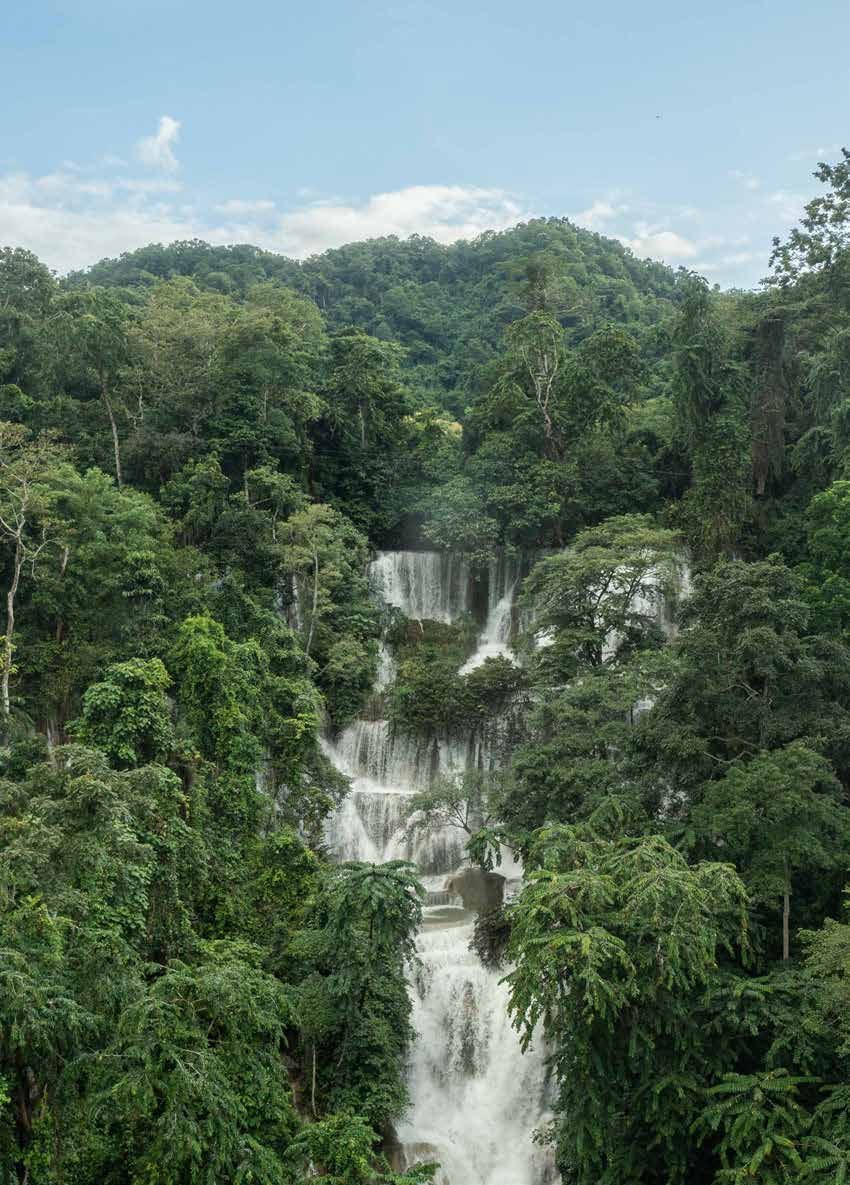
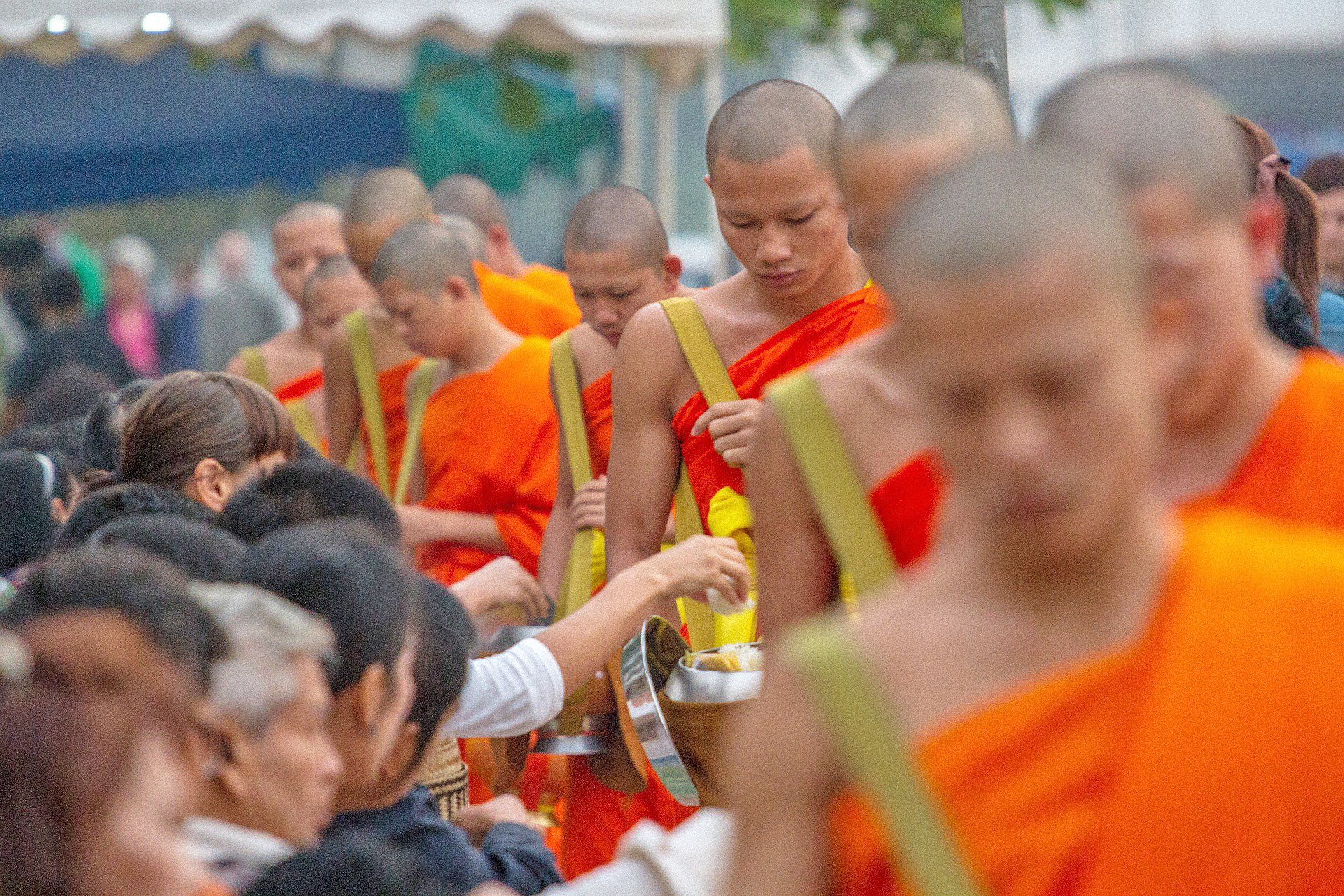
The old royal city and UNESCO World Heritage Site – if you can visit only one place in Laos, choose this one. Gilded temples next to colonial villas, monks in saffron robes everywhere. At six in the morning, the Alms Giving Ceremony; during the day, the turquoise Kuang Si waterfalls; in the evening, sunset from Phousi Hill.
For breakfast, head to the Zurich Bread Factory & Café on Sakkaline Road – a piece of Switzerland in the middle of Southeast Asia. Freshly baked croissants, fragrant coffee, a pretty colonial building. For a moment, you feel as if you were on Zurich’s Langstrasse, just with a temple view.
The atmosphere in Luang Prabang is cosmopolitan anyway. The legendary Lao Lao Garden, founded by the openly gay Somphorn Boupha, remains the go-to place for queer travellers and locals. Homosexuality has never been criminalised in Laos, but there is no protection against discrimination whatsoever. Buddhism teaches tolerance, yet the social pressure to marry is strong. In 2012, activist Anan Bouapha founded “Proud To Be Us Laos” – the country’s first LGBTQ organisation. As a gay traveller, you will hardly experience hostility, but you won’t see rainbow flags either. This is Laos: quiet, warm-hearted, open in its own way.
Nong Khiaw – arriving in the mountains
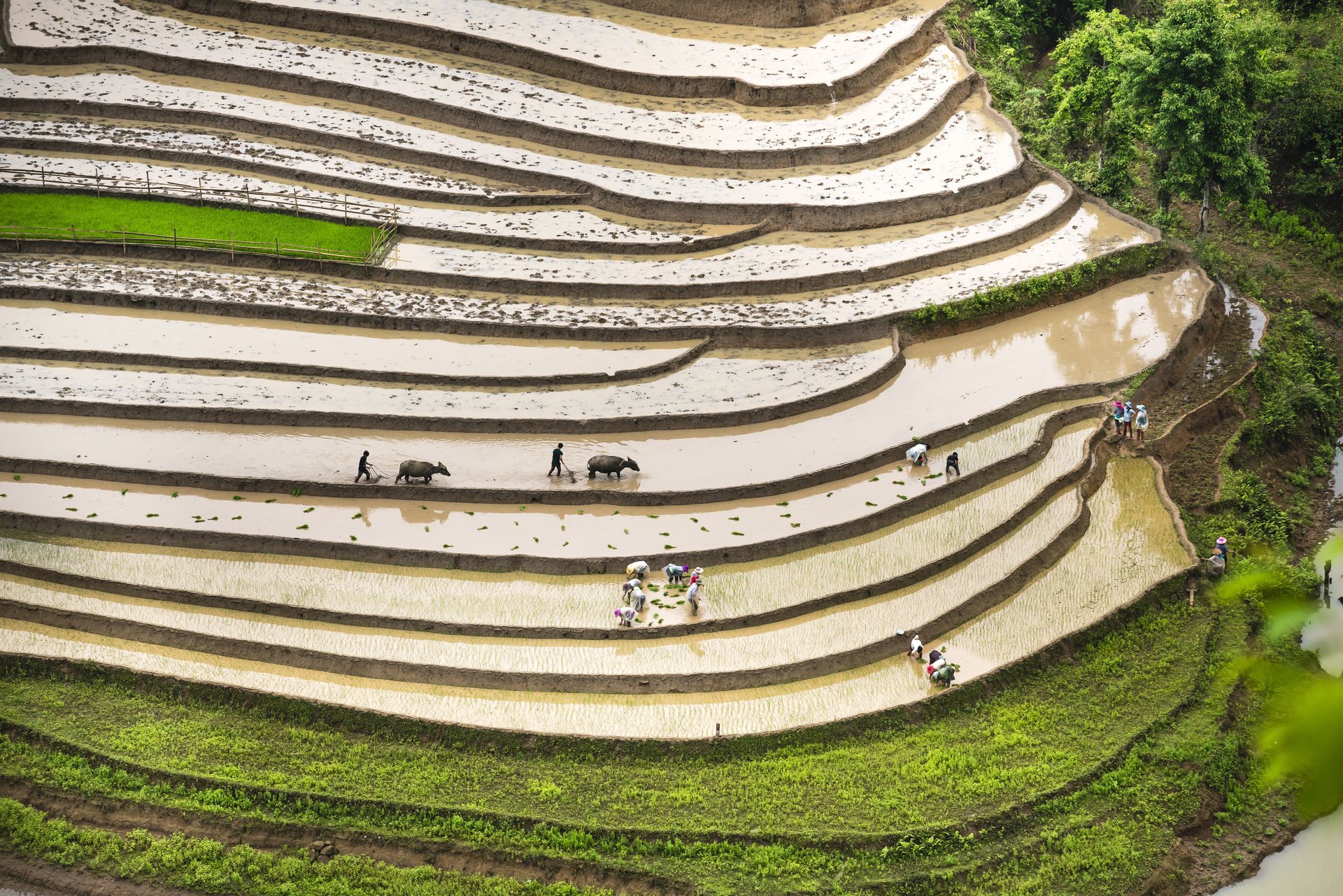
From Luang Prabang, it’s three hours north by motorbike. The road winds through jungle and along the Nam Ou, the air grows cooler, the villages smaller. Nong Khiaw is the counter-programme to everything before it: a sleepy village between limestone cliffs and rice paddies, where the day begins with sunrise and ends with a noodle soup by the river.
From the Pha Daeng Viewpoint, you look out over endless jungle; the 100 Faces of Buddha Trail leads through mystical rock formations. If you prefer things more leisurely: sunset from the Song Nam Viewpoint, just a 30-minute climb. Then a Beer Lao on the guesthouse terrace, feet up, looking at the mountains. Laos in its rawest, most beautiful form – and the perfect place to round off a journey that began on the night train in Bangkok.
My seven Laos highlights
A report by Raphael Hadad