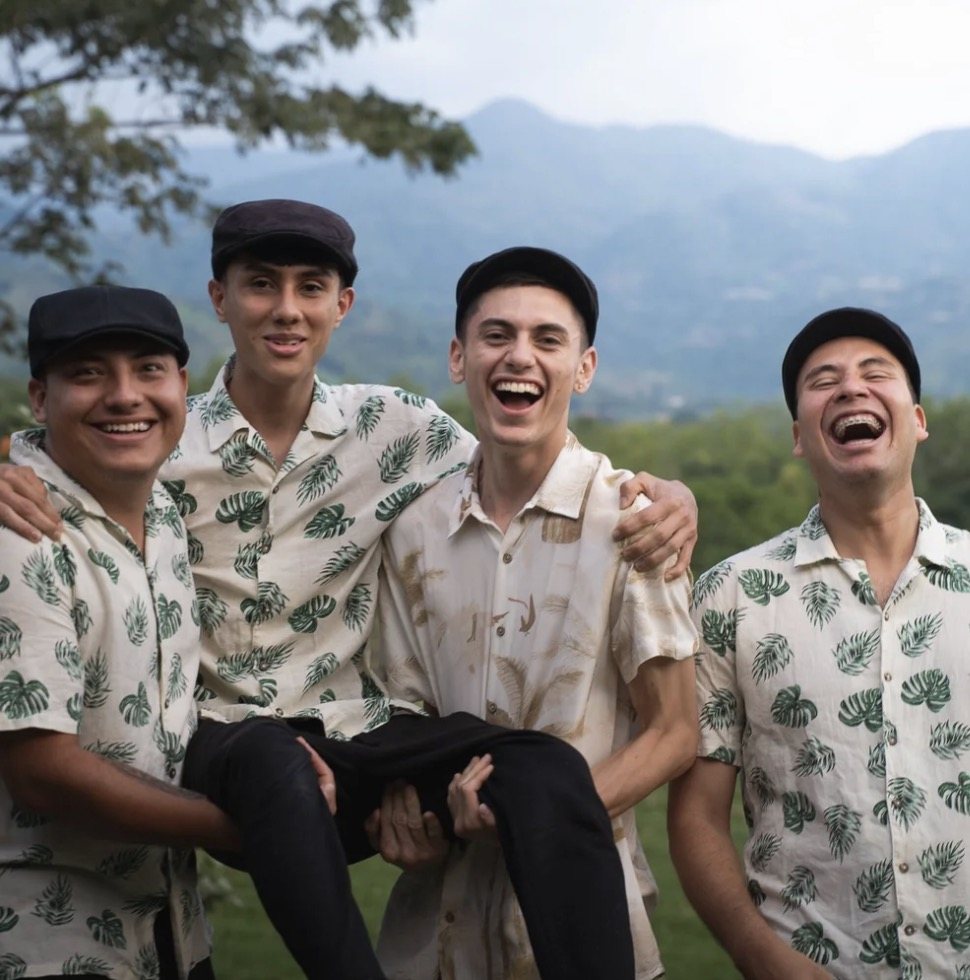
Colombia is reinventing itself. And its queer scene along with it. Between the intellectual capital Bogotá and hedonistic Medellín lies more than just flight time. We visited both cities and discovered a community that is loud, proud and full of life.
You feel the landing in Bogotá, at 2640 metres above sea level, straight away – thinner air, cooler temperatures, a city that challenges you. The Colombian capital is rough, political, intense. And that is exactly what makes it exciting.
By day, the city shows its intellectual side: street art on every corner, galleries in Chapinero, cafés full of students and activists. The queer quarter around the Zona Rosa is visible, self-confident, politically charged. At night, Bogotá belongs to Theatrón. Forget everything you thought you knew about clubs. With more than 14 dance floors, Theatrón is one of the largest LGBTQ+ clubs in the world. This is where all of Bogotá dances.
Our tip: take a bike tour through the city. On Sundays, the main roads are closed to traffic and the Ciclovía belongs to the Bogotanos. Perfect for getting a feel for the city before moving on.
Medellín: pure hedonism
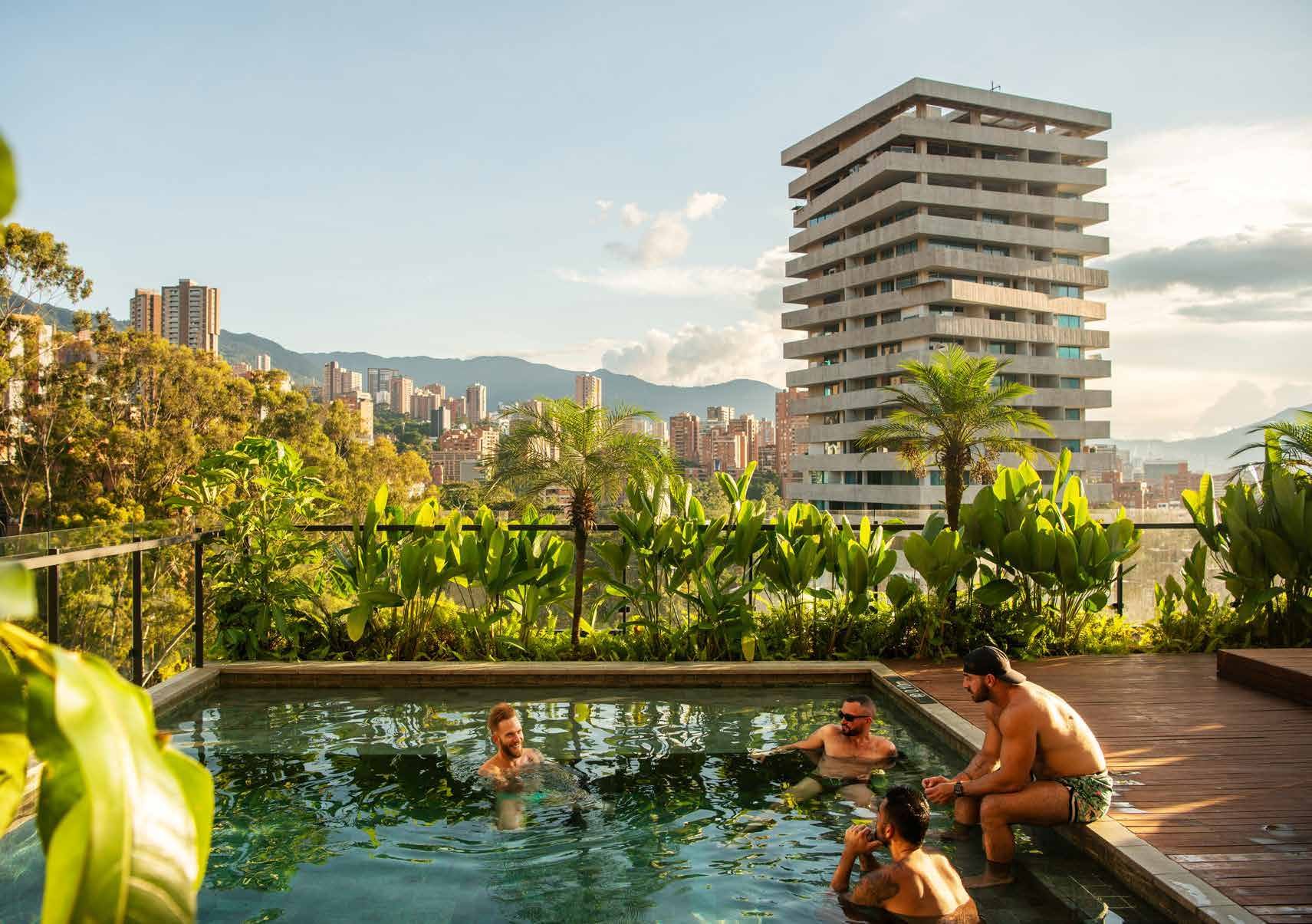
Lower, warmer, more relaxed. The city of eternal spring welcomes you with green hills and an energy that is instantly infectious.
Medellín has a brutal past and today stands for one of the most impressive urban transformations in the world. Where violence once ruled, cable cars now connect the poor neighbourhoods with the centre. Architecture as a social project. The best way to learn about all this is on a tour with Pablo from Out in Colombia, a gay guide who shows you the city as it really is.
Or you dive straight into the nightlife. With Juan, the local scene expert, you go gay bar hopping through El Poblado – the city’s pulsating heart. Design bars, rooftops with mountain views, clubs with no door policy. The queer scene here is open, visible and naturally integrated. Medellín celebrates itself – and loudly.
Hacienda Bambusa: sleeping where the coffee grows
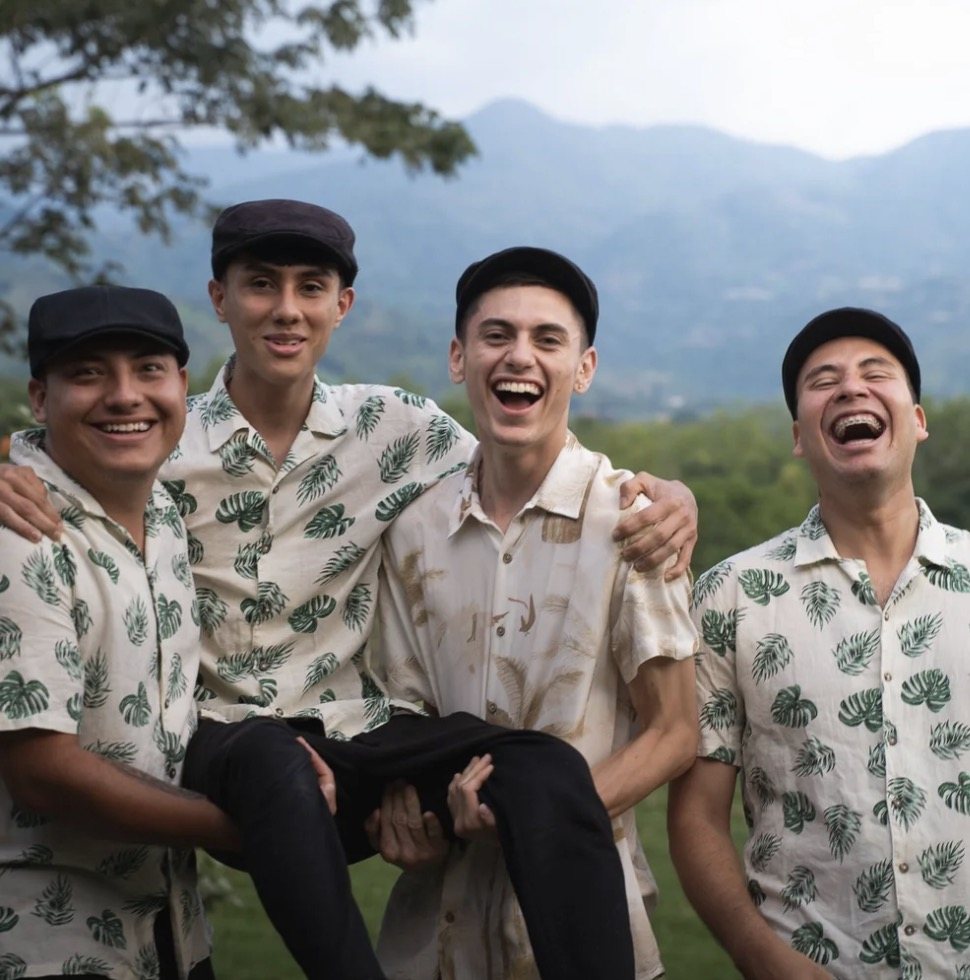
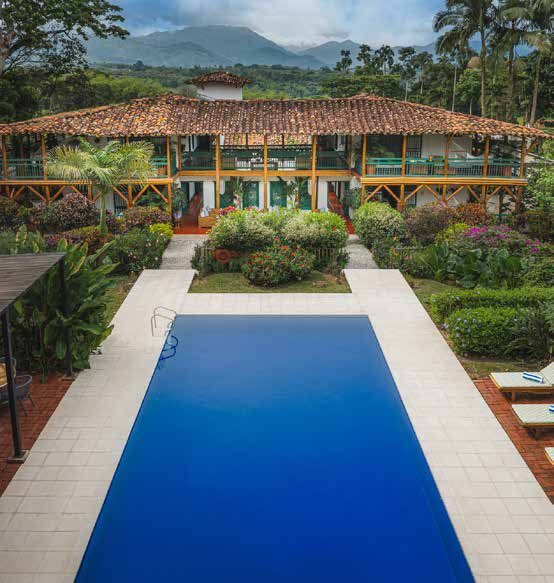
Once you arrive in Armenia, you’re already in the middle of nature. At Hacienda Bambusa, you sleep on a 200-hectare coffee finca. The traditional hacienda of bamboo and clay is surrounded by plantations and the green peaks of the Central Cordillera – it doesn’t get more authentic.
Sebastián, who grew up here, leads us through the plantations. His family has grown coffee for generations. He shows us how the coffee beans are fermented, explains the roasting levels – and at the tasting it becomes clear: tasting coffee is like a tea ceremony. The Arabica beans here grow at between 1200 and 2000 metres. At the tasting, you pick up caramel, citrus, sometimes chocolate. An almost meditative ritual. In the evening, you sit on the terrace, hummingbirds whir past, the sun sinks behind the mountains.
Biohabitat Hotel: unwinding at 1800 metres
Hidden on a mountaintop, nestled in 16,000 square metres of cloud forest, lies the Biohabitat. The twelve “habitats” are either built into the slope or integrated into the forest – you wake up to birdsong.
The concept: Body & Soul. Architecture of glass and greenery, planted roofs, panoramic windows with views of the Andes. At the Bô Wellness Center, there are massages with coffee oil, yoga at sunrise and, in the evening, the rooftop bar with a 360-degree view. This isn’t about hectic activity – it’s about being.
A detour to the world’s tallest palms in the Cocora Valley
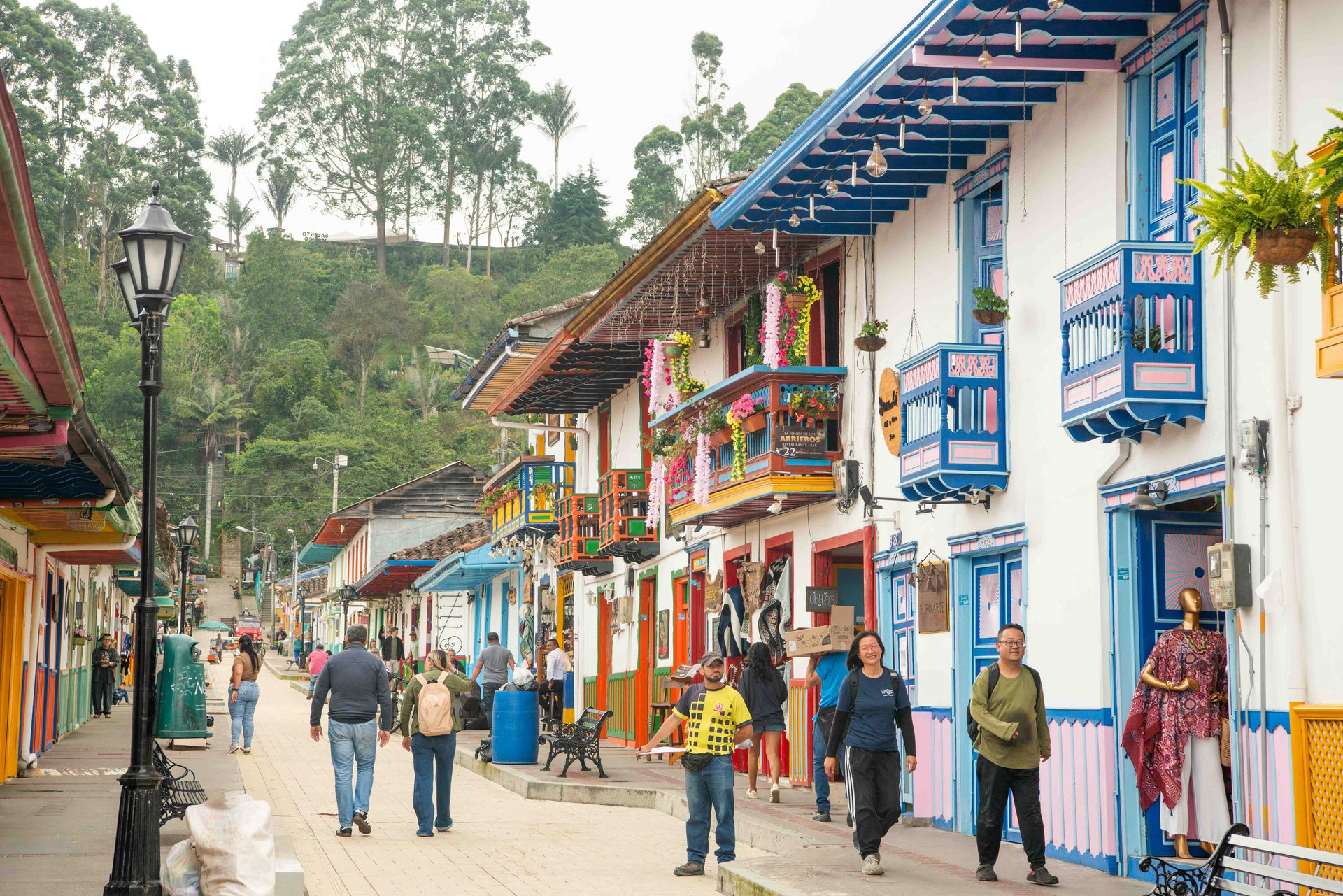
From the Biohabitat, it’s half an hour to the Cocora Valley – a valley that looks like something out of a fairy tale. The wax palms tower up to 60 metres into the sky – the tallest palms in the world and Colombia’s national tree. They grow only here, between 1800 and 3300 metres above sea level. Some are more than 200 years old.
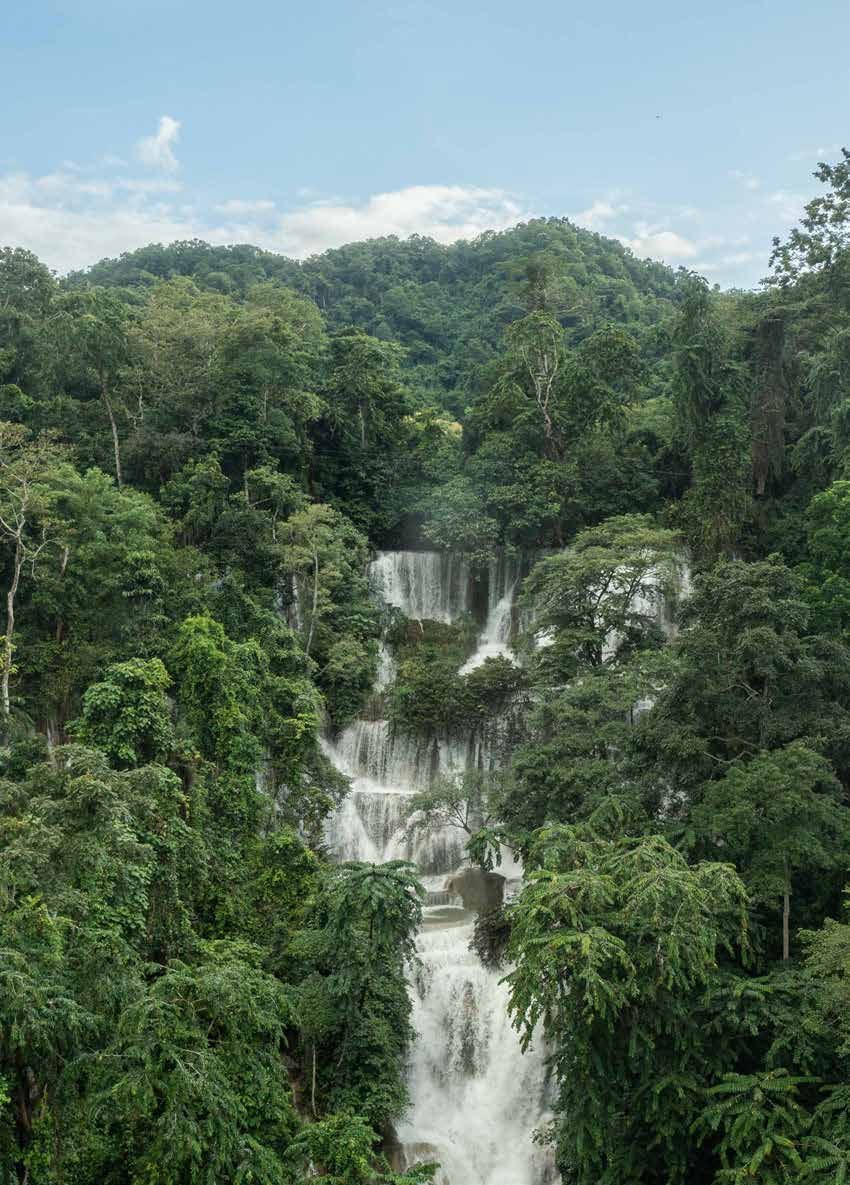
The landscape is surreal: green hills with grazing cows, while these slender giants pierce the sky. You hike through cloud forest, over suspension bridges, past waterfalls. Or you let a legendary Willys Jeep take you into the valley – standing up, with the wind in your hair.
After the hike: fresh trout in one of the restaurants, with arepa, the corn flatbread, and the knowledge that you have just seen one of the most magical places in South America.
DISPLAY tips for Colombia
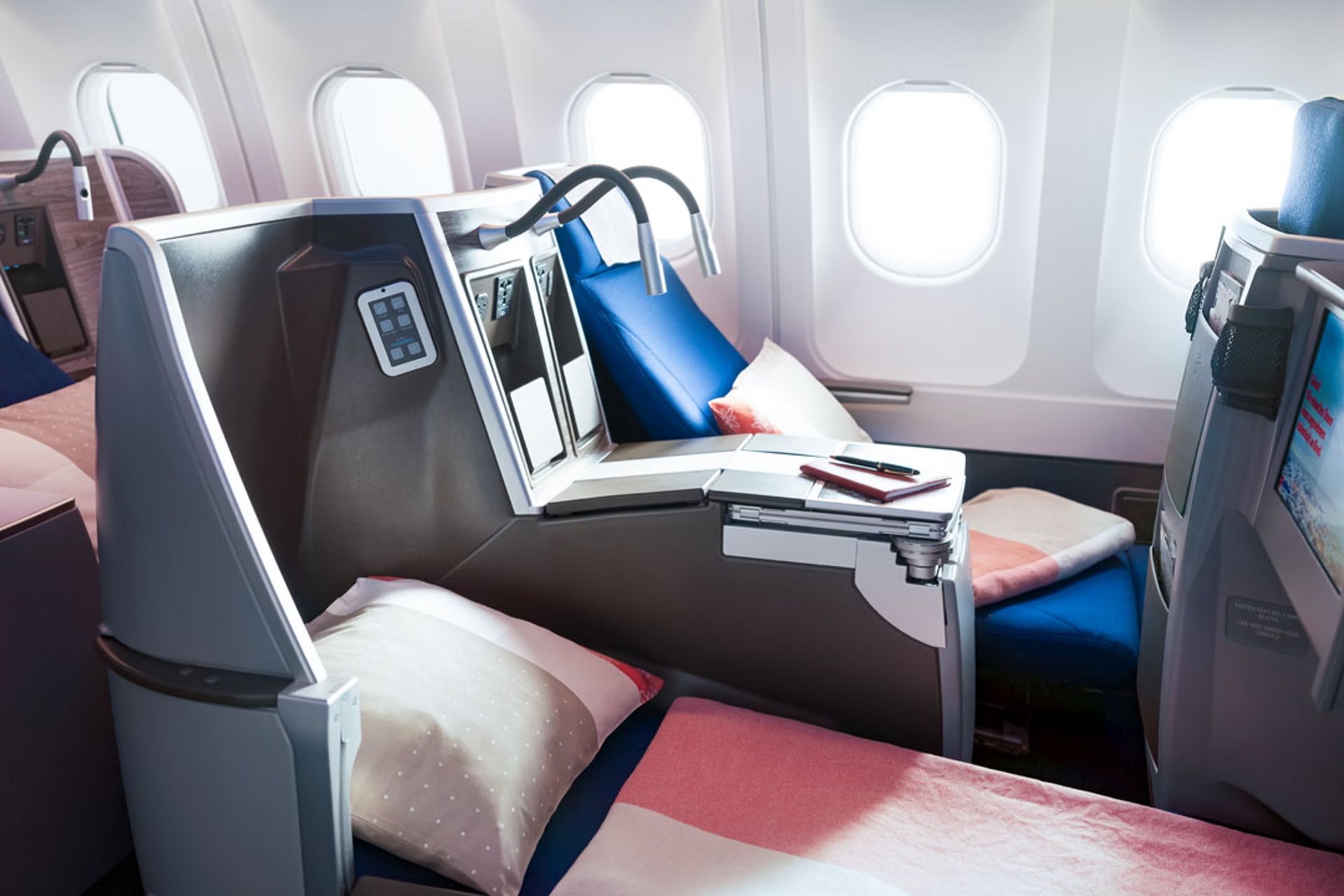
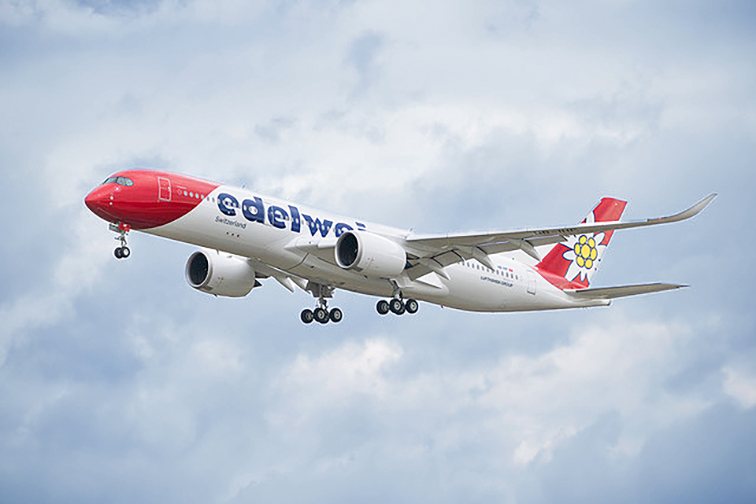
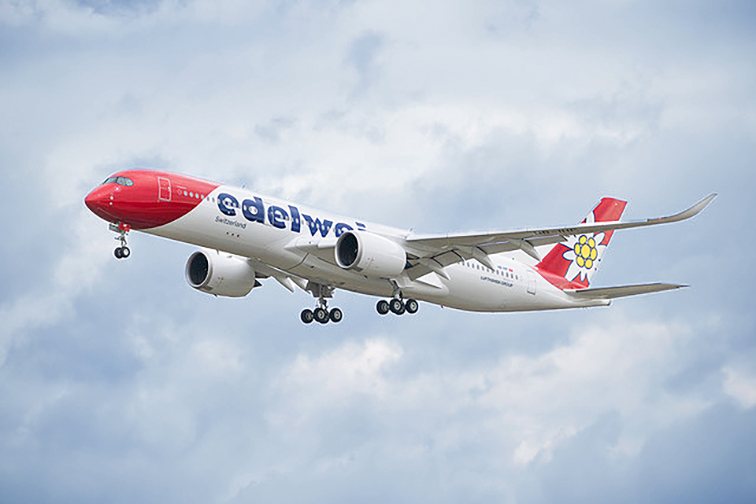
With Edelweiss nonstop to Bogotá and Cartagena: flight time 11:45 hours, 8456 km, 3–5 times a week. Sports baggage flies free.
A report by Raphael Hadad & Karlo Krameri · With the support of Edelweiss