The Danish spring awakens afresh in Copenhagen: between royal backdrops and easy-going openness, you discover a city where gay travellers enjoy culture, nature and an open way of living together.
Barely has the spring sun risen over the rooftops of Nyhavn when the long, dark winter months seem no more than a distant memory. That’s when the people of Copenhagen pour outside, set out tables in front of cafés and use the extensive cycle paths with a composure that suggests the cold grey was shaken off long ago. In the middle of it all, a city that combines royal heritage and modern tolerance without making a fuss.
Old values, lived anew
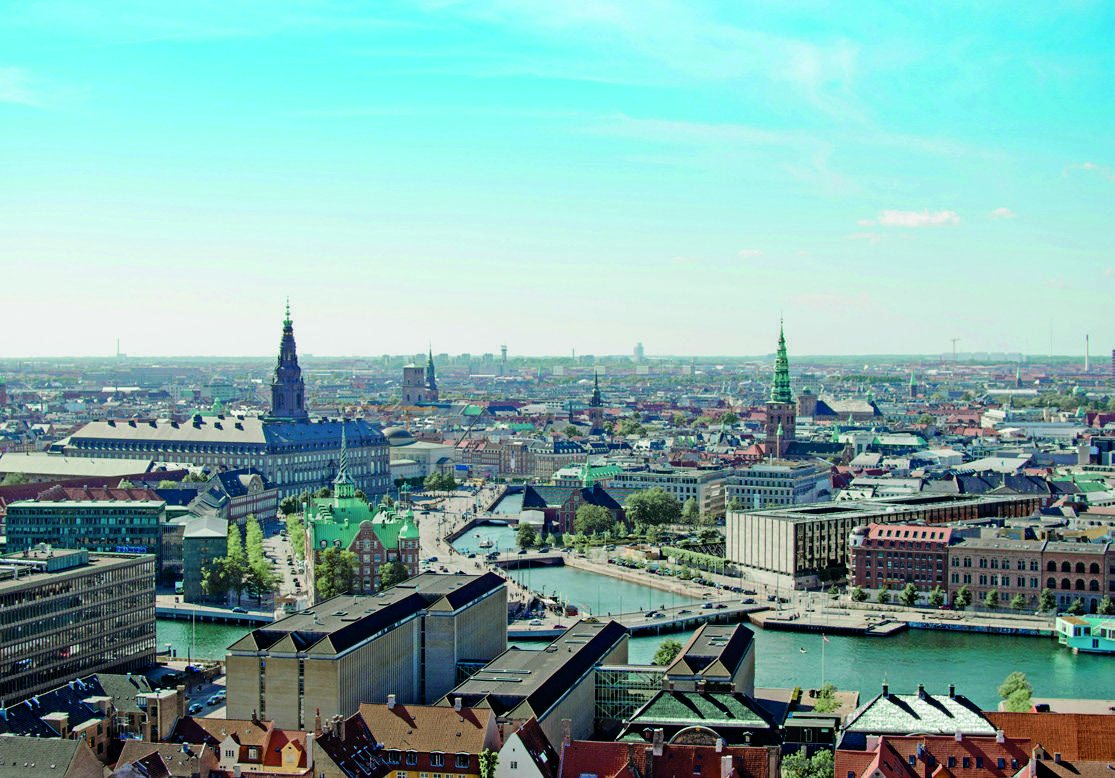
Denmark has around 5.6 million inhabitants, almost a quarter of whom live in the Copenhagen metropolitan area. For years, the city has been considered one of the most liveable in Europe, which has to do with generous open spaces, clean harbour water and a firm stance against discrimination. The fact that in 1989 Denmark became the first country in the world to recognise same-sex partnerships fits this picture. Hardly anyone frowns when two men stroll hand in hand along Nyhavn or a female couple kiss in front of Amalienborg Palace.
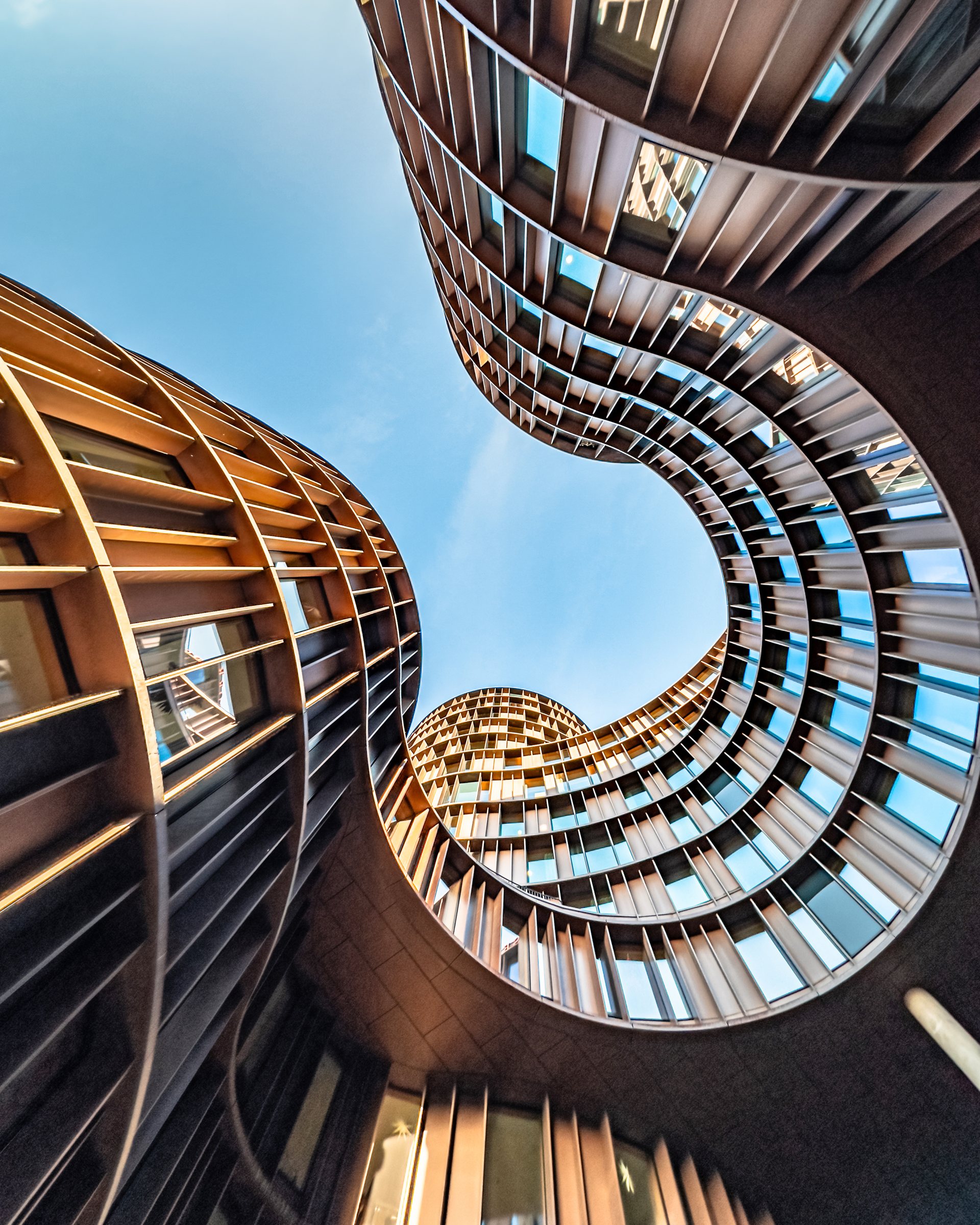
The city’s architectural DNA, too, is shaped by history and the present. Christiansborg Palace now houses the parliament and symbolises the link between monarchy and democracy. Around Strøget, design shops, vegan bakeries and pop-up galleries set the pace of a cosmopolitan city.
“Studiestræde”: bars for night owls
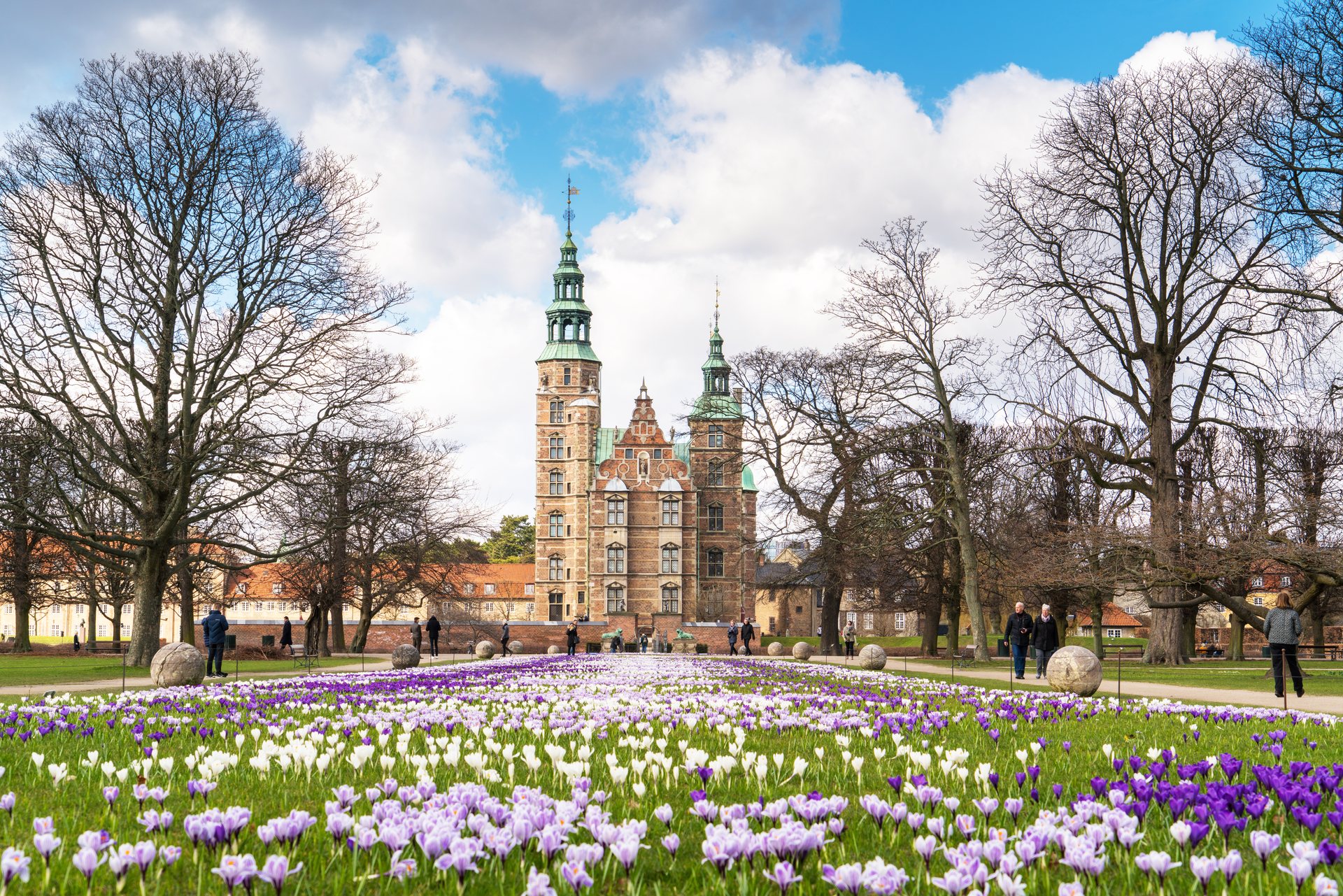
A city that stood up for LGBT rights early on also has a lively nightlife. If you head out in the evening, you’ll find plenty within walking distance around Studiestræde. Several bars and clubs line up here: from “Centralhjørnet”, one of the oldest gay bars in the world, to the “Cosy Bar” and on to “Kiss Kiss”, “Masken” or “Jailhouse CPH” with its tongue-in-cheek prison décor.
The scene is buzzing near Rådhuspladsen too: with its mix of pop hits and exuberant atmosphere, “Nevermind” is reminiscent of Heaven in Zurich – but it is bigger and often open into the early hours, every day, even during the week. If the mainstream feels too narrow, a few steps away you’ll find “Den Anden Side”, a newer club with electronic beats, a queer-friendly policy and darkrooms. If you’re looking for space for queer culture and artistic experiments, “Warehouse9” is the place – performances, installations and workshops away from the club scene.
Art in the open air
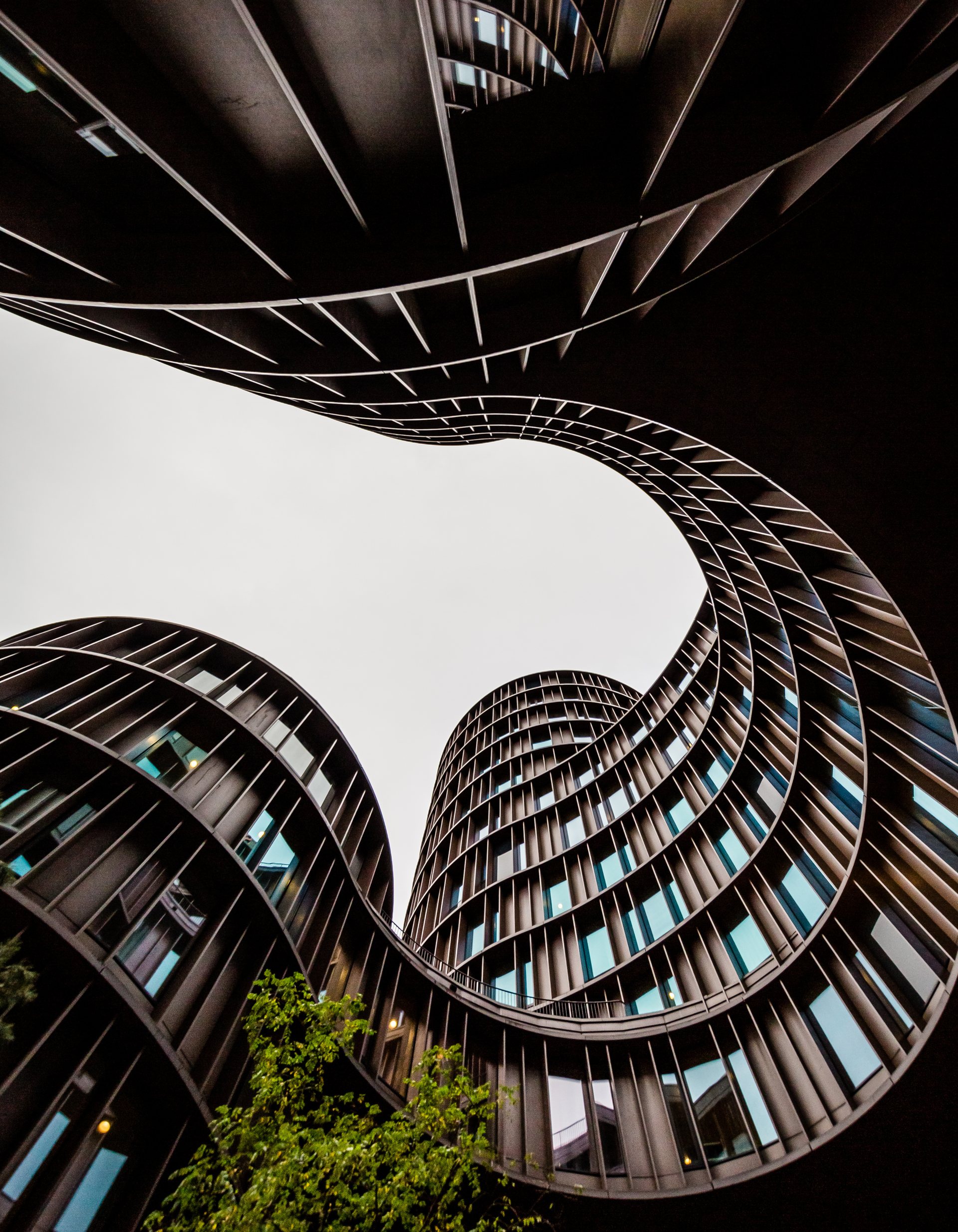
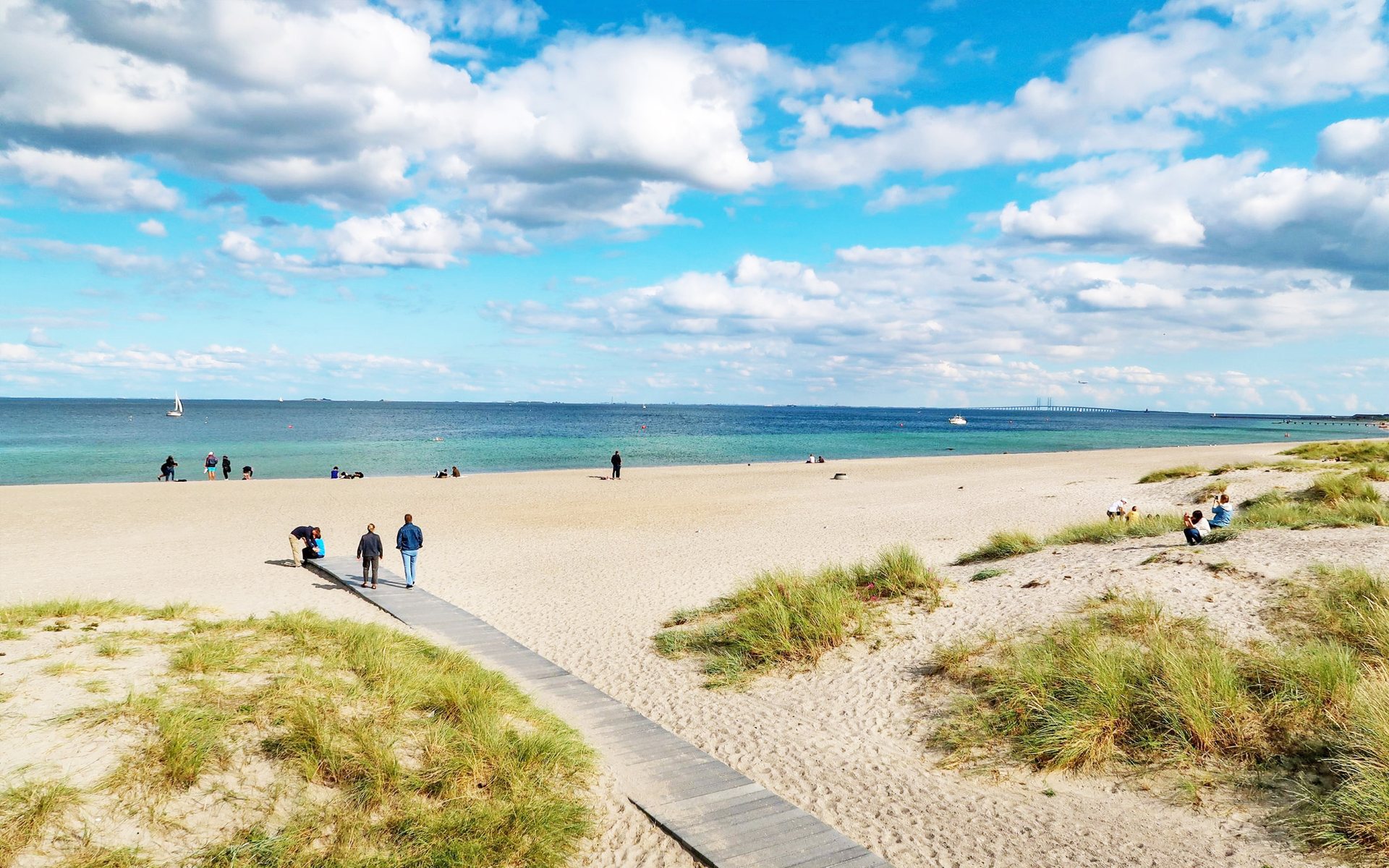
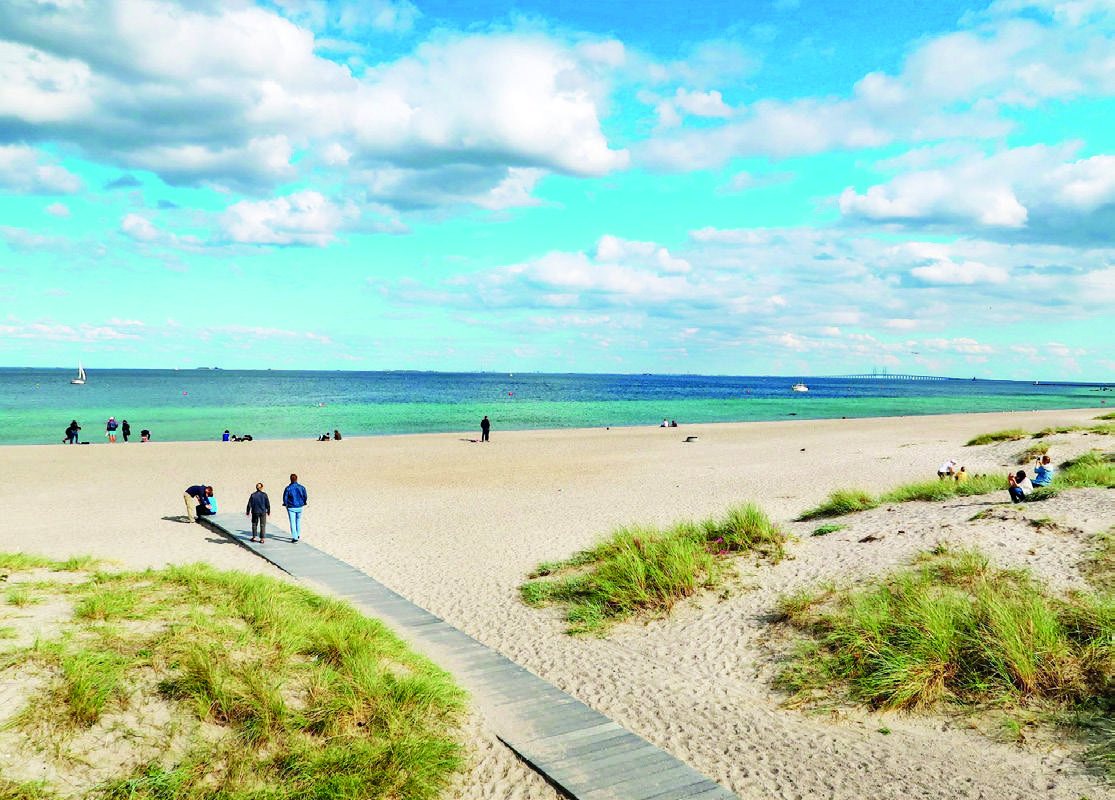
The “Louisiana Museum of Modern Art” in Humlebæk can be reached in 40 minutes by train — modern art, clean architecture and sea views, with a vista all the way across to Sweden. Near Dronningmølle stretches the heath and hill landscape of “Rusland”: there, the Statue Park shows 14 sculptures by the Danish sculptor Rudolph Tegner, freely accessible amid heather and gentle rises. There’s something mystical about the way the statues tower up in the middle of nowhere.
A spring that doesn’t impose itself
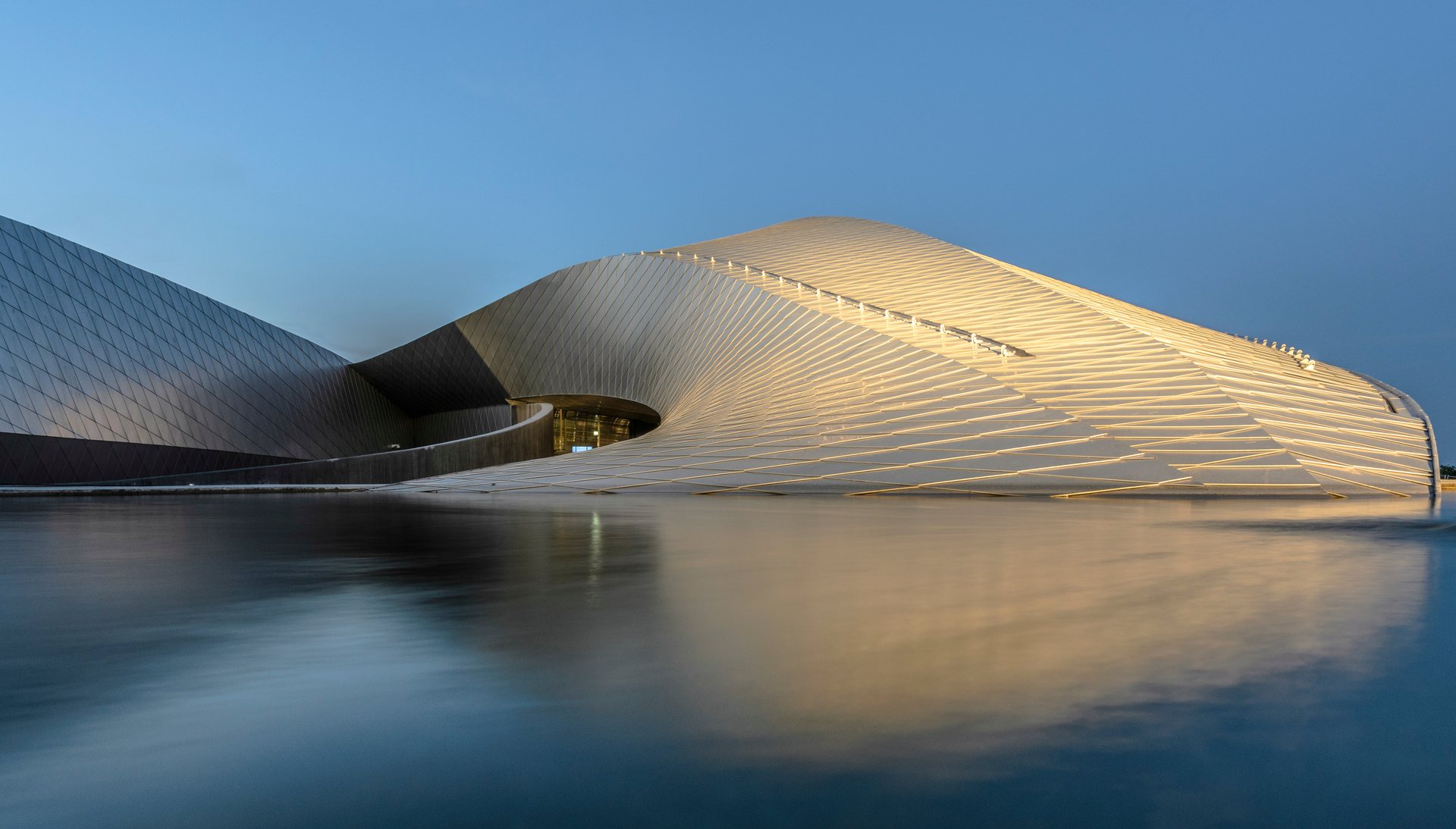
When the light becomes clearer in April and May and the days grow longer, Copenhagen shows its playful side. The cafés open their outdoor areas, people gather on the banks of the harbour, and at “Tivoli”, one of the oldest amusement parks in the world, nostalgia gets a refresh. If you love to party, you should know that the annual Pride in August is a very special highlight. A second look at Copenhagen is always worthwhile: in backyards, old-town corners and small shops lie hidden stories that keep Danish hygge alive.
By Maurice Müller, Copenhagen · Photos: Adobe Stock, Centralhjørnet, Louisiana Museum of Modern Art