In the southern hemisphere the year is only really beginning now. The humpback whales are still around until October. 118 islands and atolls, scattered across an expanse of ocean the size of Europe. Three reasons to book right away: culture, sport and adventure.
Culture: feathers, drums, discipline
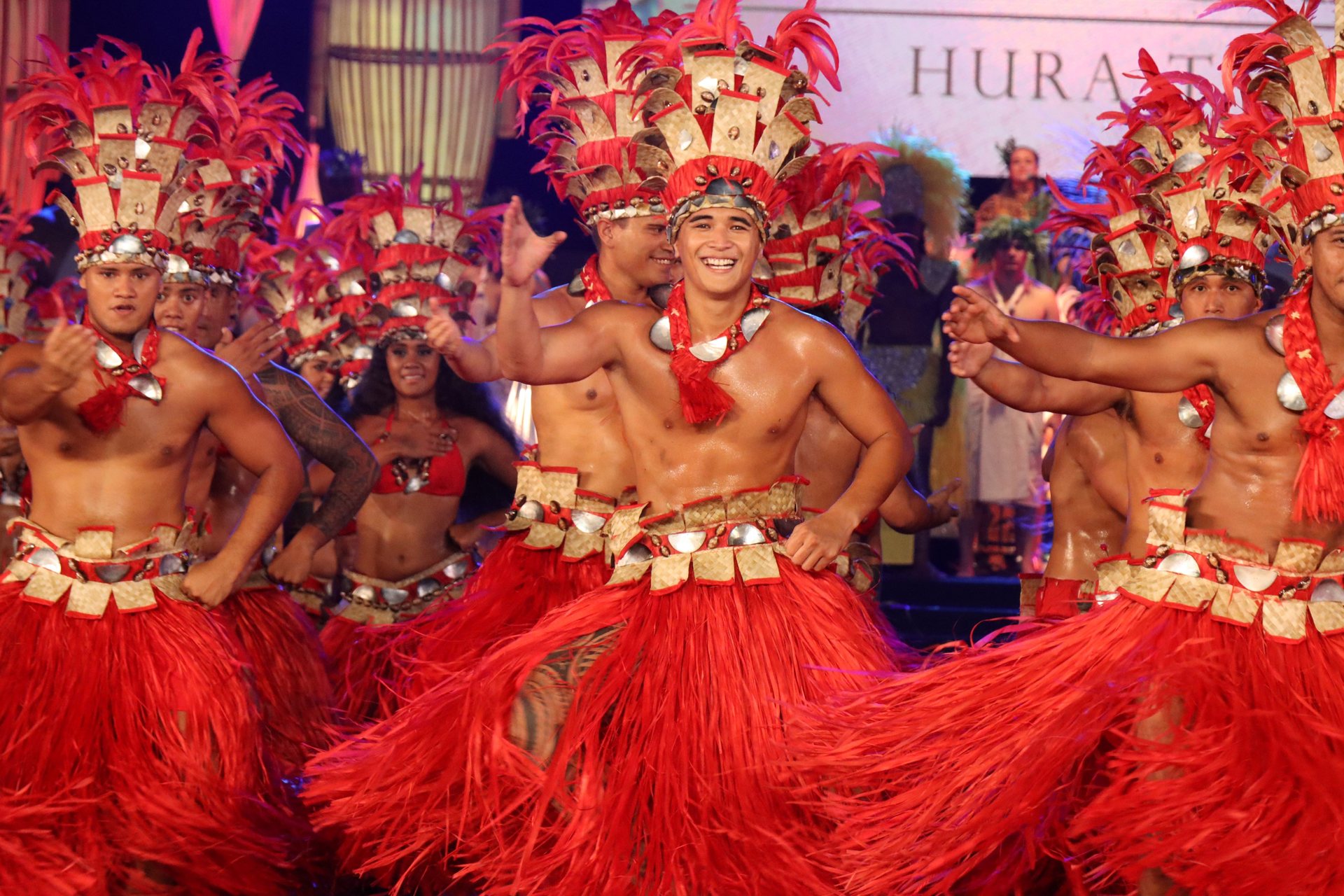
The next big dance event comes in November. Hura Tapairu was founded in 2004 for groups that cannot fill the great open-air arena at To’atā. The dance troupes enjoy complete creative freedom in choreography, song and costume. Whoever stands out here goes on to take part in the Heiva in summer. Performances run from 25 to 28 November and from 2 to 5 December 2026 at the Grand Théâtre of the Maison de la Culture in Papeete, each evening from 6 p.m.
This is not folklore laid on for hotel guests, this is the Champions League: months of training, costumes of feathers, bark and mother-of-pearl, an audience in the thousands and a jury keeping score. The men’s formations dance the ’ōte’a — knee, jump, hold, upper body all on the same beat, colourful wraps and not much else. You come for the choreography and stay for other reasons. You may as well admit it.
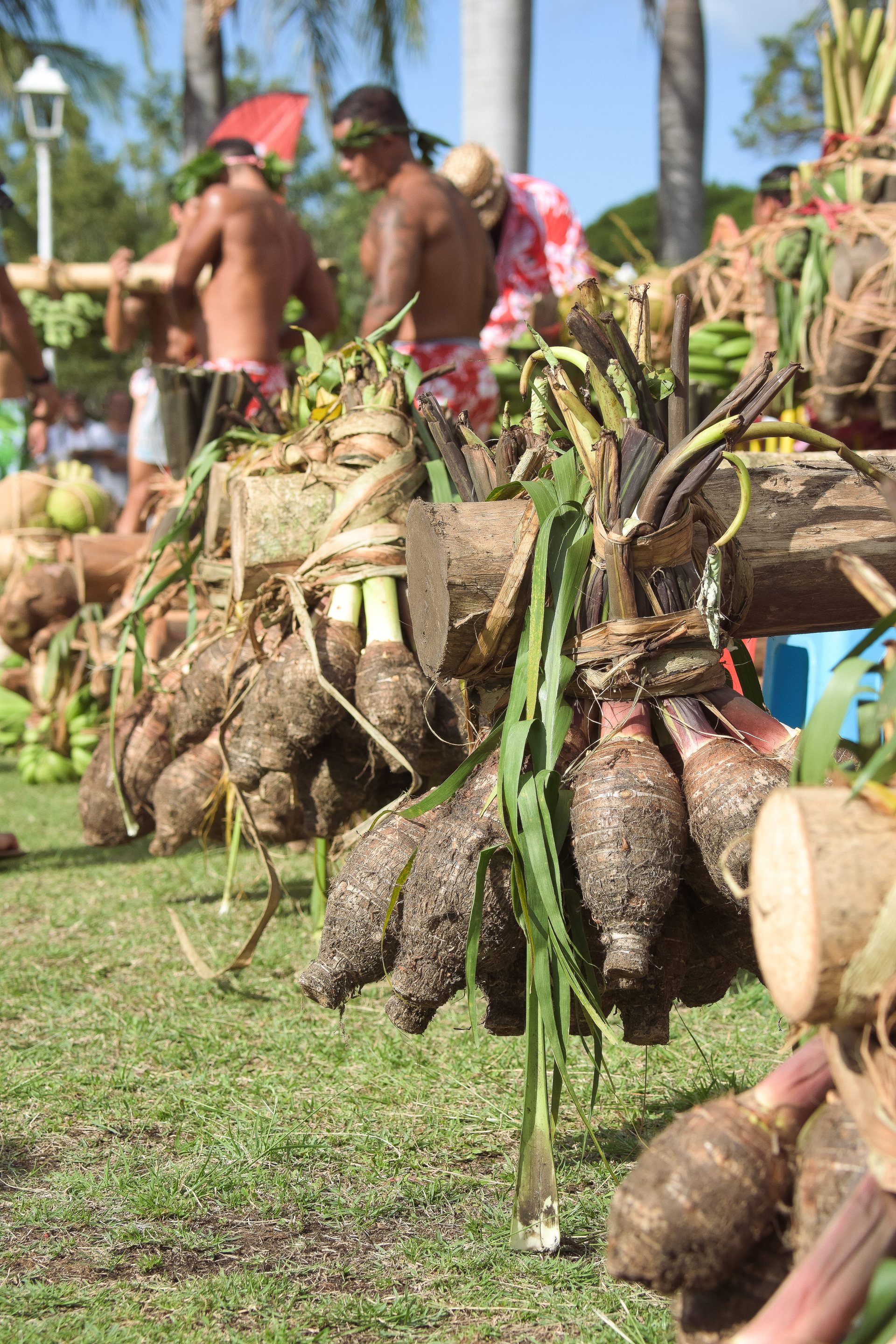
The really big show comes next summer: Heiva I Tahiti, with its dance competition and the sporting Heiva Tū’aro Mā’ohi — javelin throwing, stone lifting, coconut tree climbing and outrigger canoe races — returns in July. Anyone who finds stone lifting quaint should take a look at the stones. And at the competitors’ arms.
Sport: the perfect wave
Teahupo’o on Tahiti Iti lies literally at the end of the road; beyond that you go by boat. The wave there is not something you ride, it is something you survive. It breaks over shallow reef, grows thick rather than tall and has counted for decades as one of the heaviest in the world — in 2024 it was an Olympic stage. In August the world’s surfing elite gathered here for the 27th Tahiti Pro. But the wave stands there without a competition too, and watching locals take it from a boat is the more honest spectacle anyway.
What else is coming: the Mangareva Pearl Trail on the remote Gambier Islands on 13 September, across volcanic peaks and undeveloped coastline. And on 7 and 8 November the XTERRA triathlon on Moorea. More than 300 athletes fight their way through rainforest, mountains and lagoon, with qualification for the world championship. That one is for taking part, not just watching.
Adventure: where the road ends
Until October humpback whales pass through, coming up from the Antarctic to calve here. Half an hour in the water beside one of them beats two weeks in a hammock. Whale watching is regulated, which is a good thing — book licensed operators only.
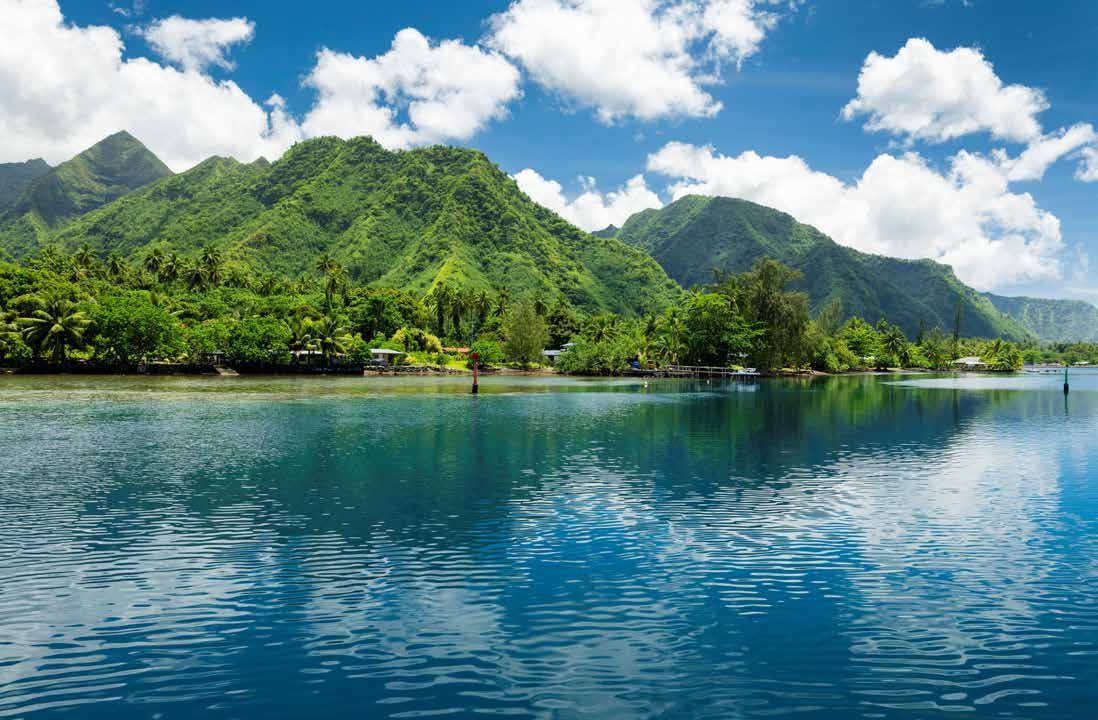
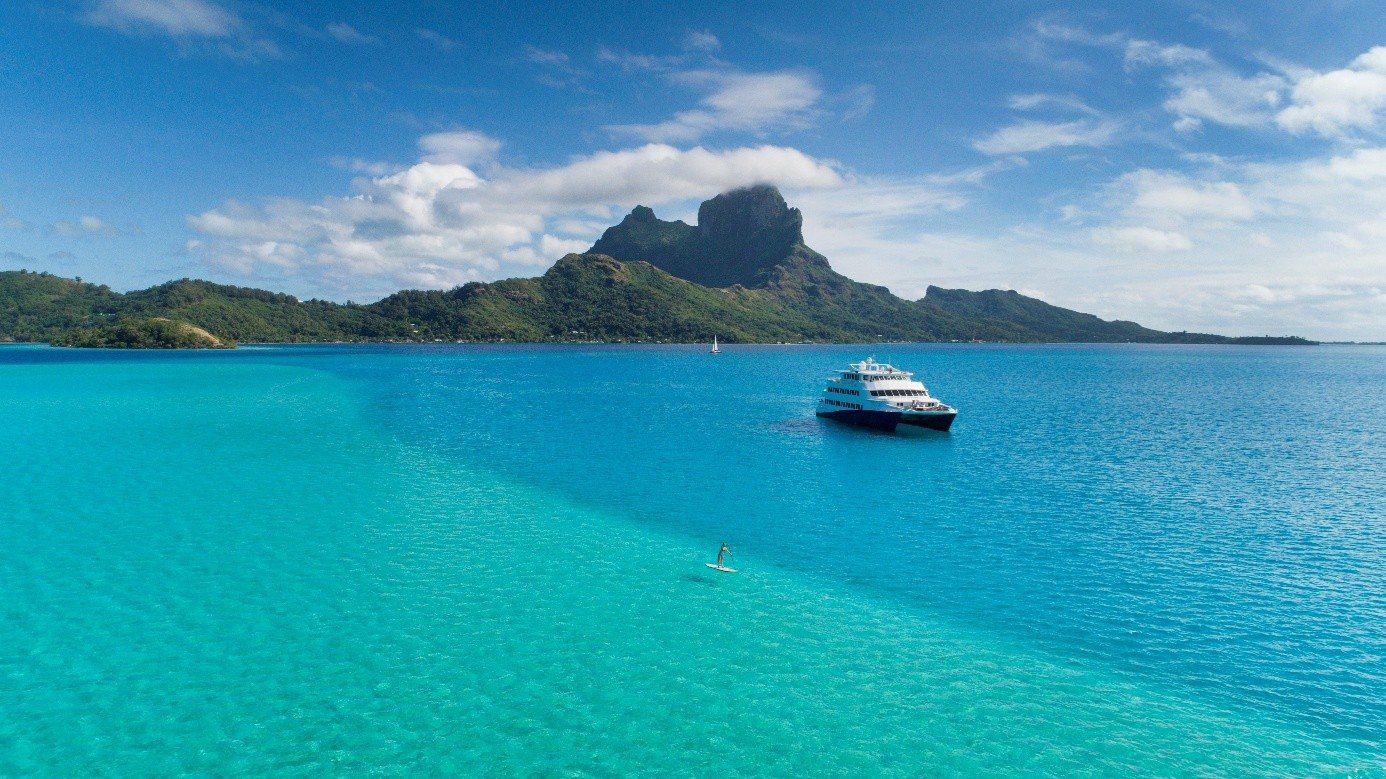
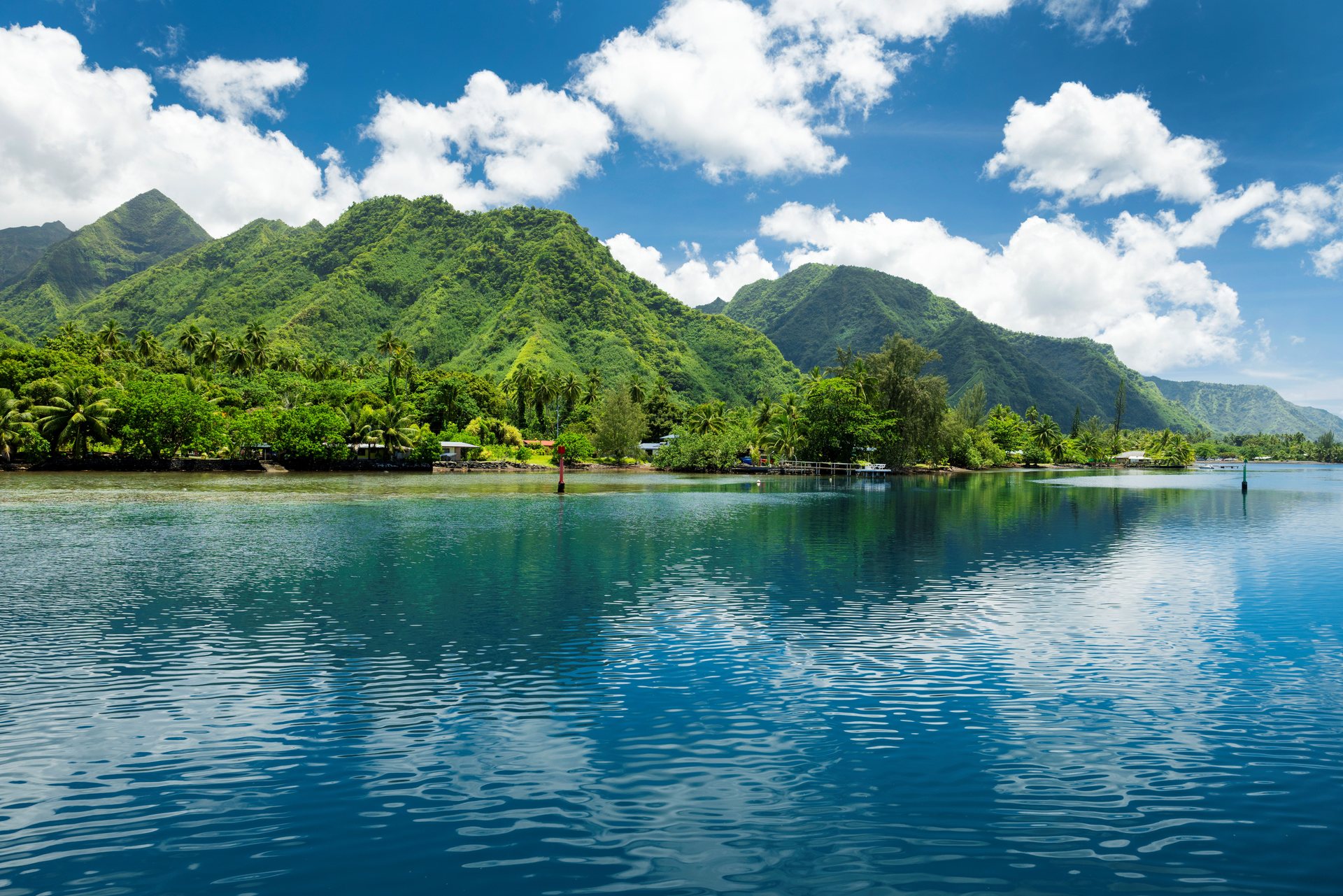
Five archipelagos, 118 islands — and the differences between them are greater than between Zurich and Palermo. Tahiti and Moorea are volcanic, green and steep: hikes to waterfalls, viewpoints over two bays at once, rainforest ten minutes behind the hotel. The Tuamotu atolls are flat and run their programme underwater — Rangiroa and Fakarava are among the best dive sites in the Pacific. The Marquesas in the far north have hardly any lagoons, but cliffs, horses and the most dramatic landscape in the country.
You can sleep in an overwater villa or in a pension de famille in the village. The first offers a glass floor, a ladder straight down into the lagoon and breakfast delivered by canoe. The second costs a fraction of that and can lead to interesting encounters between two cultures. Ideally, try both.
French law applies, marriage equality included — legal since 2013, with the first wedding held on 8 July of that year on Moorea. Since 2023 there has been an annual Tahiti Pride Week with a Marche des fiertés in Papeete. Tahiti Tourisme is a member of the International LGBTQ+ Travel Association; listed partners include the Manava Beach Resort & Spa Moorea, Tahiti Travel Services and E-Tahiti Travel. The place to turn to locally: the association Cousins Cousines de Tahiti, active across all five archipelagos.